
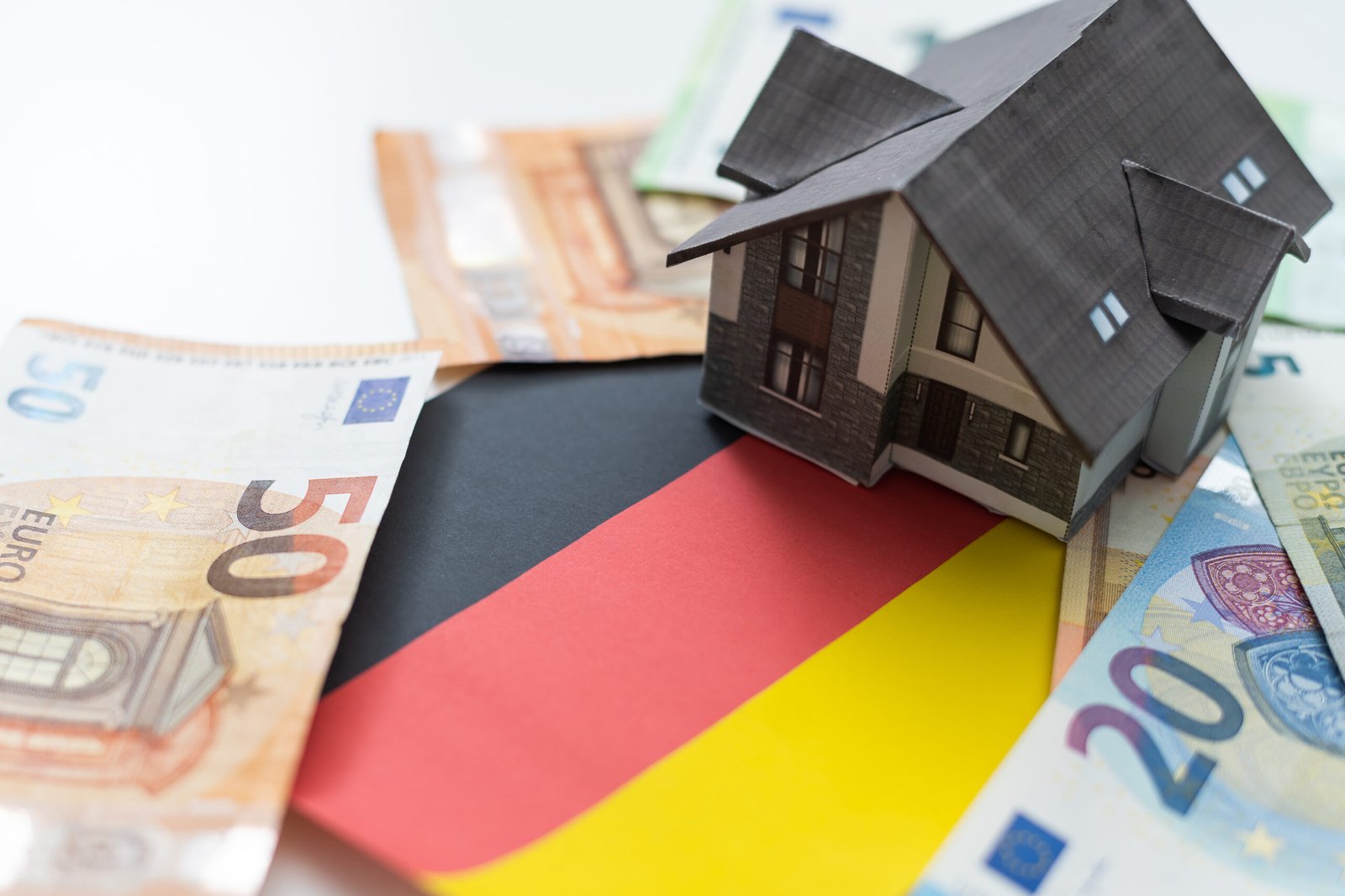
5 Essential Tips for First-Time Real Estate Investors in Germany
Germany’s stable economy and robust property market make it a prime location for real estate investment. Understanding the German real estate landscape is essential whether you’re looking to build a portfolio or secure a rental income. If you’re new to investing, here are five key tips to help you navigate the process confidently.
1. Understand the German Property Market
The German real estate market is unique and varies significantly by region. Cities like Berlin, Munich, and Frankfurt have seen substantial growth, but smaller cities and suburban areas also offer excellent opportunities.
- Urban vs. Suburban Investments: Major cities tend to have higher property prices but also higher rental demand, while suburban areas may offer better affordability.
- Market Trends: Research whether property values and rental prices in your chosen area are rising or stable.
- Tenant-Friendly Policies: Germany is known for its tenant-friendly rental laws, which you must understand as an investor.
Take time to study local trends and understand the regulatory framework before committing to a property.
2. Familiarize Yourself with Legal Requirements
Germany has specific regulations that govern real estate transactions. Understanding these is critical for a smooth investment process.
- Notarization of Contracts: All property sales must be notarized by a German notary (Notar) to be legally binding.
- Taxes and Fees: Be aware of costs like property transfer tax (Grunderwerbsteuer), which ranges from 3.5% to 6.5%, and notary and registration fees, about 1.5%.
- Rental Agreements: If you plan to rent your property, familiarize yourself with Germany’s rental laws, including tenant protections and rent increase limits.
Working with a local lawyer or advisor can help ensure compliance with German laws and avoid costly mistakes.
3. Start with a Manageable Property
For your first investment in Germany, consider starting with a simpler project rather than jumping into large or complex deals.
- Small Apartments: These are easier to manage and highly sought after in urban areas with a growing population.
- Buy-to-Let Properties: Purchasing a property specifically for rental income can be a good way to generate steady cash flow.
- Your Local Area: If you’re based in Germany, investing close to home allows for easier management and better knowledge of the market.
Starting small helps you learn the ropes without overextending financially.
4. Focus on Cash Flow Over Speculation
While Germany’s real estate market has shown steady growth, it’s crucial to focus on properties that generate positive cash flow rather than solely relying on future appreciation.
- Rental Yield: Calculate the rental yield (annual rental income divided by the property price) to ensure it meets your financial goals.
- Stable Demand: Look for properties in areas with strong demand, such as near universities, business hubs, or well-connected neighborhoods.
- Expense Management: Consider all operating costs, including maintenance, taxes, and property management fees, to ensure the property remains profitable.
Unlike speculative markets, Germany’s stable economy makes cash-flow investments a safer choice.
5. Build a Local Support Network
Investing in real estate in Germany requires a good understanding of the local market and processes. Having a reliable team can simplify the journey.
- Real Estate Agent (Immobilienmakler): A local agent can help you find suitable properties and guide you through the buying process.
- Tax Advisor (Steuerberater): German tax laws can be complex, so a tax advisor can help you navigate deductions and obligations.
- Property Manager: If you’re not living near the property, a property management company can handle tenant relations and maintenance.
- Notary (Notar): As required by German law, you’ll need a notary to finalize property transactions.
A strong support network will help you handle the legal, financial, and operational aspects of your investment efficiently.
Final Thoughts
Germany’s real estate market offers immense opportunities for first-time investors, but success requires preparation and understanding of the local landscape. By researching the market, familiarizing yourself with legal requirements, starting with manageable properties, focusing on cash flow, and building a reliable team, you can lay a solid foundation for your investment journey.
Remember, real estate investing is a long-term commitment. Approach it with patience and a willingness to learn, and you’ll be on your way to building wealth in one of Europe’s most stable markets.